

If you need a laugh, search the internet for bad versions of this belter. There are some brave people out there… who can’t hit high notes… but, fair play to them, keep trying!
Classic FM (a posh radio station here in the UK) reckons O Holy Night might just be the greatest Carol of all. We had better get the story straight about this beast of a song.
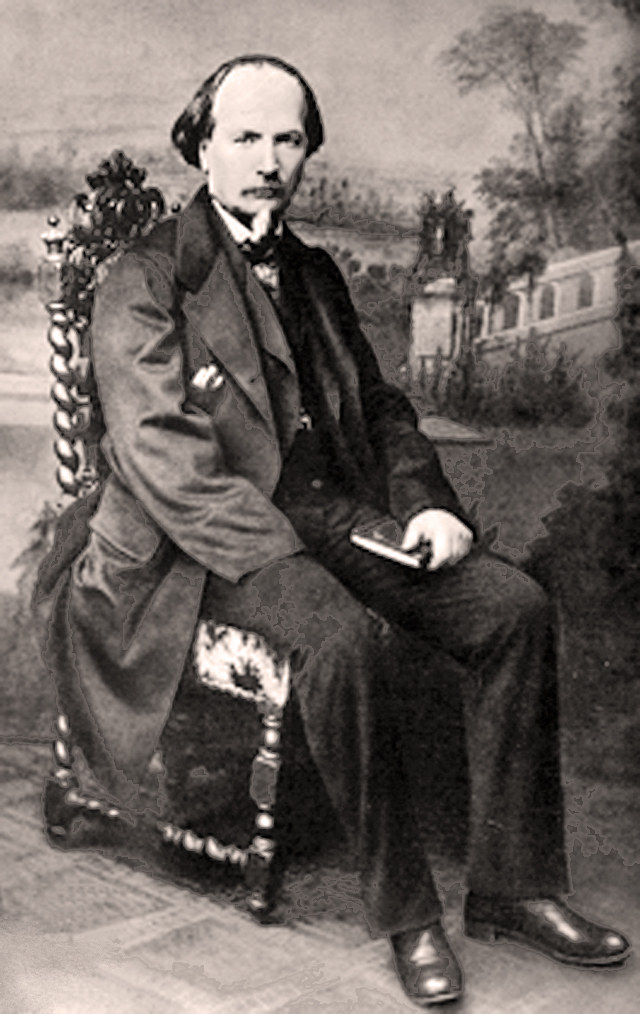
Placide Cappeau, writer of Minuit, chrétiens 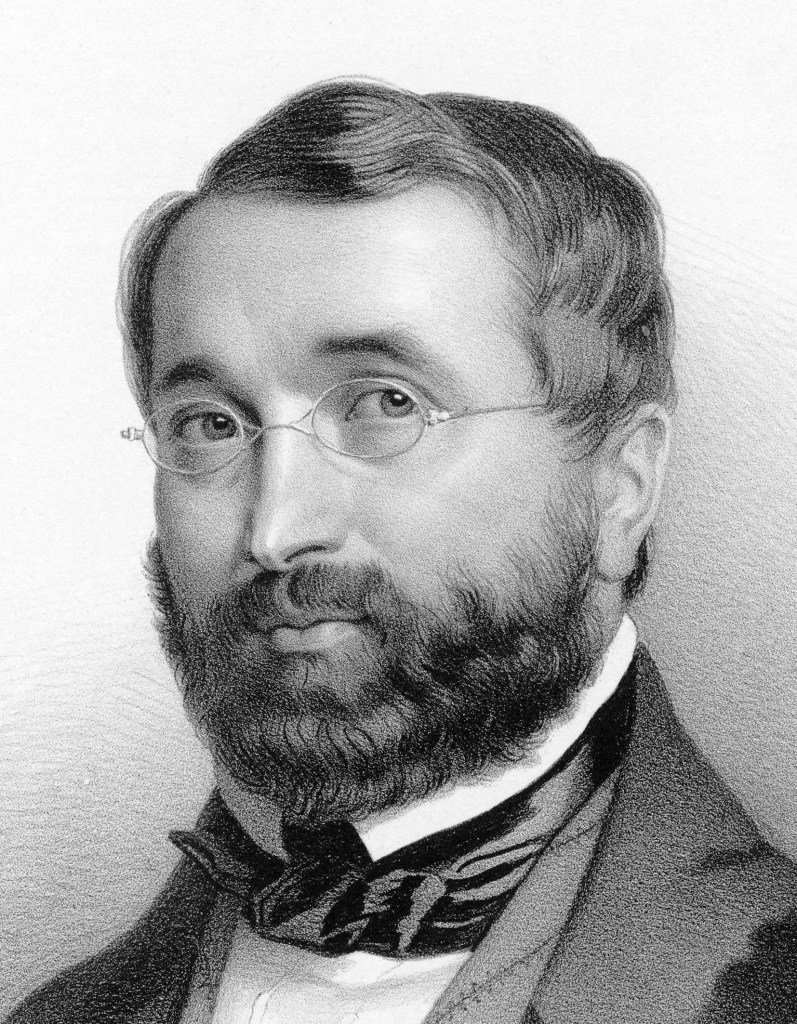
Adolphe Adam, composer
O Holy Night isn’t originally from the English-speaking world at all. The words were penned by a Frenchman, Placide Cappeau, back in 1843 in a poem entitled “Minuit, chrétiens!” (Midnight, Christians).
The story goes that M. Cappeau write a Christmas poem to celebrate the church organ getting fixed in the little French town of Roquemaure. Then composer Adolphe Adam – also a Frenchman – wrote the music. The carol got a proper premiere in the very same little town in 1847, sung by the opera singer Emily Laurey. What a night that must have been!
The song was translated into English by the American, John Sullivan Dwight, in 1855. At that time the Abolitionist Movement against slavery was in full swing in the USA. The third verse of the carol understandably resonated with abolitionists. And so the song grew in popularity and the rest, as they say, is history… and Celine Dion’s singing.
The carol starts by taking us back to Bethlehem and that first Christmas night:
O holy night, the stars are brightly shining,
It is the night of the dear Saviour’s birth;
Long lay the world in sin and error pining,
‘Till he appeared and the soul felt its worth.
A thrill of hope the weary world rejoices,
For yonder breaks a new and glorious morn;
Fall on your knees, Oh hear the angel voices!
O night divine! O night when Christ was born.
O night, O holy night, O night divine!
The word “holy” describes something which is “other”, “different”, “separate” or “special”. “Night divine” either suggests a night when God is at work in mighty power or a night of great joy (or both). In poetic language, Cappeau is telling us that this night was a special night – the night of all nights.
The Bible claims the world has been cursed as a judgement on humanity, because of our sin – our wrongdoing and rebellion against our Maker. With the curse came a promise; One would come into this world to restore the broken relationship between the human race and the Creator-God.
In the carol, a world wearied by millennia of strife, suffering, and brokenness is thrilled because this promised healer, Christ the Saviour, has finally been born and His work can begin.
Led by the light of Faith serenely beaming;
With glowing hearts by his cradle we stand:
So, led by light of a star sweetly gleaming,
Here come the wise men from Orient land,
The King of Kings lay thus in lowly manger,
In all our trials born to be our friend;
He knows our need, To our weakness no stranger!
Behold your King! Before Him lowly bend!
Behold your King! your King! before him bend!
“Look!” says Cappeau, “There is the Saviour of the world in His cradle! Here come the wise men – following that star shining brightly in the dark sky.” In case you missed it in the first verse, this song is about the Bible’s account of the birth of Jesus 2,000 years ago.
We’re then told that this Jesus isn’t just God’s Saviour but He’s also our Great King. To put it simply, while He is born a man, He is also the Creator-God of the universe Himself. If that’s not shocking enough, we’re then told that this King was born to be our friend.
Jesus is described in the Bible as “a man of sorrows and acquainted with grief.” Far from being welcomed as a conquering King, in His life Jesus knew what it was to be hungry and go without. He experienced poverty, homelessness, rejection, and hatred in return for love, and eventually, He was brutally executed without any real justification.
Why did He choose a life of suffering? He was doing what had to be done for a just and righteous God to forgive sinners, people like you and me, and welcome them into His family. While we may often struggle to understand what God is doing in our lives, because of this Saviour, this Jesus, we can’t ever honestly say God doesn’t understand or God doesn’t care.
Truly He taught us to love one another;
His law is Love and His gospel is Peace;
Chains shall he break, for the slave is our brother,
And in his name all oppression shall cease,
Sweet hymns of joy in grateful Chorus raise we;
Let all within us praise his Holy name!
Christ is the Lord, then ever! ever praise we!
His pow’r and glory, evermore proclaim!
His pow’r and glory, evermore proclaim!
Placide Cappeau’s final verse calls on us to love one another. After all, this is what Jesus taught. His law is love and His gospel – the good news Jesus brings – is peace. Peace between our Maker and us, peace within, and peace with others.
The Bible emphatically claims that we’re at war against God as we go into every day determined to live on our own terms. It’s the selfishness and pride within which create strife between people, leading to all those horrible news headlines.
Because Jesus has come, we don’t need to hide our guilt. We can face up to it because if we trust in Jesus our sins are paid for and forgiven. We’re not guilty anymore in the sight of God. Peace with God and peace in ourselves will lead to peace with others. When we begin to understand how much we’ve been forgiven and loved, it makes us want to show forgiveness, care and love to others – regardless of who they may be.
Doesn’t our modern world need this peace? No wonder the refrain at the end of each verse calls us to joyful worship. If these things are true, how could we respond in any other way?
So what do you think? Is Classic FM right – is this the best carol of all? Either way, you now know the words. This Christmas, when you hear O Holy Night for the umpteenth time, you can try to sing along. Just maybe stick to singing a bass line, unless you’re a pro?
PS: Sometimes people finish the song by repeating the word, “Noël”. This comes from the Latin verb “nasci”, meaning “to be born.” A variation made its way into Old French and then into Old English as “nowel”. It’s basically another word for “Christmas”. It’s also an easier word to pronounce when you’re busy hitting big notes and jumping octaves!
NEXT TIME: A carol which is a national treasure in Austria…

 Yours Truthfully