

Have you noticed how the older you get the faster Christmas comes and goes? Before you know it all the songs have been played, presents opened, food eaten, friends gone, the magic has faded and January approaches. So what was the point? It’s all very well taking time to remember events from history, but what has Christmas got to do with our lives today? What hope can it offer for life in a world which is often cruel and disappointing?
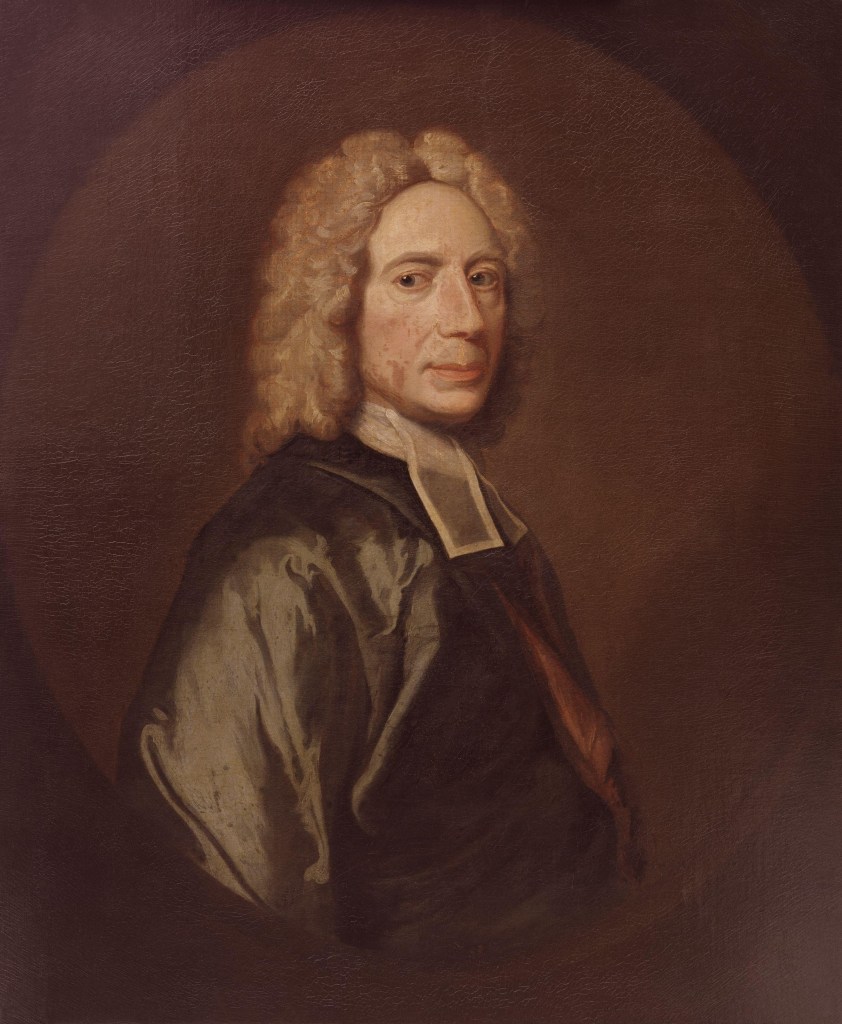
Isaac Watts, (17 Jul. 1674 to 25 Nov. 1748) 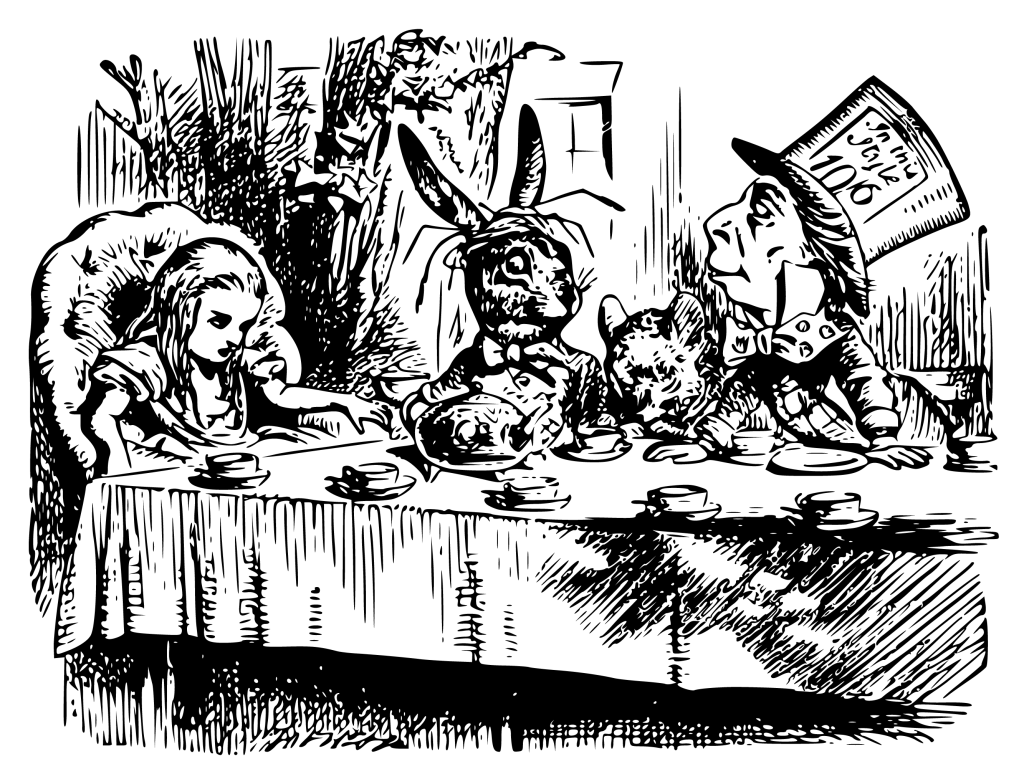
In Alice’s Adventures in Wonderland the poem How Doth the Little Crocodile parodies Watt’s Against Idleness and Mischief.
Most people in the English-speaking world would be familiar with the work of Isaac Watts, even if they didn’t know his name. Such was his cultural influence that his name or writings are referenced (sometimes as a parody) in such books as David Copperfield, Moby-Dick and Alice’s Adventures in Wonderland. Among many other things, Watts was a prolific songwriter, writing an incredible 750 hymns (approx.). Some (like When I Survey The Wondrous Cross) are still among the most popular hymns sung by Christians today. Even if you don’t know anything else written by Watts, you’ll definitely have heard his most famous work, Joy To The World at Christmastime.
Watts published Joy to the World in 1719. It’s based on an ancient song from the Bible – Psalm 98. Although we sing it as a carol at Christmas, the hymn is actually looking forward to Jesus’s second coming in the future. Watts speaks of Jesus returning to earth, not as a humble baby in the manager, but this time as a mighty King.
The tune we usually sing to this carol isn’t the original. This tune seems to have been first paired with Joy To The World by Lowell Mason in his 1836 book Occasional Psalm and Hymn Tunes. Mason said the tune came from an arrangement “from Handel” – with a few tweaks by Mason. Not everyone is convinced the tune comes from Handel, but it does bear resemblance to some parts of Handel’s Messiah, if you listen carefully.
Joy to the world! the Lord is come;
Let earth receive her King;
Let every heart prepare Him room,
And heaven and nature sing,
And heaven and nature sing,
And heaven, and heaven and nature sing.
Joy to the world! the Saviour reigns;
Let men their songs employ;
While fields and floods, rocks, hills, and plains
Repeat the sounding joy,
Repeat the sounding joy,
Repeat, repeat the sounding joy.
The first two verses of Joy To The World are the ones most often sung. This is probably because they are the easiest to understand. Jesus is coming as the Saviour-King and the world is full-to-bursting with joy. From the human race and the starry heavens right down to the ground beneath our feet, everything is overflowing with exuberant, excited joy.
But what is it about this King who is to come that would fill us with such happiness? Why would we look forward to the return of Jesus? It’s the last two verses of the carol which help us make sense of the first.
No more let sins and sorrows grow,
Nor thorns infest the ground;
He comes to make His blessings flow
Far as the curse is found,
Far as the curse is found,
Far as, far as the curse is found.
He rules the world with truth and grace,
And makes the nations prove
The glories of His righteousness,
And wonders of His love,
And wonders of His love,
And wonders, wonders of His love.
It’s not a popular topic these days, but the Bible clearly teaches that this universe is cursed. Death, suffering, decay and struggle are the result of the whole world being ruined. Why? Because the world was God’s gift to mankind. When humanity chose to rebel against its Creator, He punished them by cursing His gift. The relationship between God and mankind was broken and life in this world became stricken with difficulty and sorrow.
The Bible calls this rebellion sin. It also uses the idea of thorns as a symbol of this curse. But with the curse came a promise. A promise that, one day, God would send a Saviour who would cleanse the world of sin and destroy the curse. Jesus came that first time as the child in the manger to be the Saviour who would deal with the problem of our guilt and sin, and be the way back to friendship and peace with God. Watts reminds us that His work isn’t finished. Right now He’s giving you and me a chance to turn back to God and be saved. Then Jesus will return, this time as the mighty King of the Universe, His glory unveiled to finally, finally take away the curse and make all things new.
So why sing Joy To The World at Christmas? Because we need to do more than look back to that first Christmas; we need to also look forward to the promised second coming of Jesus, for there we can find comfort and hope for living here and now in a broken world.
…Behold, the dwelling place of God is with man. He will dwell with them, and they will be his people, and God himself will be with them as their God. He will wipe away every tear from their eyes, and death shall be no more, neither shall there be mourning, nor crying, nor pain any more, for the former things have passed away…
Behold, I am making all things new…It is done! I am the Alpha and the Omega, the beginning and the end. To the thirsty I will give from the spring of the water of life without payment…
The Book of Revelation, chapter 21
NEXT TIME: Our final carol for the year – inspired by a visit to the real town of Bethlehem…

 Yours Truthfully